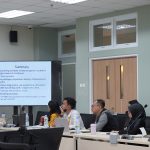


Yogyakarta, June 26, 2026 – The Advanced Training in Plant Health: From Field Surveillance to Molecular Technologies, jointly organized by the Faculty of Agriculture, Universitas Gadjah Mada (UGM) and the World Vegetable Center (WorldVeg), officially concluded on Friday, June 26, 2026. The final day focused on seed health, seed diagnostic systems, Integrated Pest Management (IPM), and the integration of knowledge acquired throughout the five-day training program. Serving as the culmination of the training, the closing sessions demonstrated how field surveillance, molecular diagnostics, plant breeding, seed health, and integrated pest management can be combined to establish resilient and sustainable plant health systems.
The day began with Seed Health & Diagnostics for Seed Systems, presented by Ram, Lourena Maxwell, and Prof. Ani Widiastuti, S.P., M.P., Ph.D.. Participants learned about the critical role of seed health in ensuring healthy crop establishment and sustainable agricultural production. The session covered seed-borne pathogen detection, seed health testing methodologies, and diagnostic approaches that support high-quality seed production systems. The speakers emphasized that pathogen-free seeds are fundamental for preventing disease transmission from the beginning of the cropping season and are essential for sustainable horticultural production.
The lecture was followed by a Seed Health Hands-on laboratory session facilitated by Ram, Lourena Maxwell, Prof. Ani Widiastuti, S.P., M.P., Ph.D., Jo, and Owen. Participants practiced seed cleaning and seed disinfection procedures using hydrochloric acid (HCl) and trisodium phosphate (TSP), while also learning laboratory safety protocols and standardized disinfection procedures designed to minimize pathogen contamination before seeds are used for research or commercial production. The practical exercise provided valuable experience in implementing internationally recognized seed health protocols.
Following the coffee break, Sopana and Stephen delivered the session IPM Strategies Across Crops, focusing on Integrated Pest Management approaches for tomato, chili, cabbage, and spring onion production systems. Participants explored how disease diagnostics, resistant cultivars, and biological control agents—including Trichoderma, Bacillus, Beauveria, and Metarhizium—can be integrated into environmentally sustainable crop protection programs. Through real-world case studies, participants also designed crop-specific IPM packages and discussed practical decision-making strategies for field implementation.

During the afternoon, all facilitators led the Discussion: IPM Packages & Field Integration, providing participants with an opportunity to synthesize the knowledge gained throughout the training. Discussions focused on crop-specific management strategies, implementation challenges, and collaborative solutions involving researchers, extension specialists, and farmers. The session reinforced the importance of integrating surveillance, diagnostics, plant breeding, seed health, and integrated pest management into a comprehensive plant health framework.
The program concluded with the Post-Training Quiz & Certification Ceremony, led by the training team together with Dr. Srinivas Parimi (Srini). Participants completed a final knowledge assessment before receiving certificates recognizing their successful completion of the program. The training officially concluded with a Cocktail Dinner hosted by Prof. Ani Widiastuti, S.P., M.P., Ph.D. at Universitas Gadjah Mada, providing an opportunity to strengthen professional networks and foster future research collaborations among participants, facilitators, and partner institutions. As the five-day program came to an end, participants were encouraged to apply the knowledge and practical skills they had acquired to strengthen sustainable plant health systems and improve agricultural resilience in their respective countries.

The final day and closing of the Advanced Training in Plant Health: From Field Surveillance to Molecular Technologies reaffirmed the commitment of the Faculty of Agriculture UGM and the World Vegetable Center to advancing the United Nations Sustainable Development Goals (SDGs). By strengthening participants’ expertise in seed health, plant diagnostics, integrated pest management, and international scientific collaboration, the program contributes to SDG 2 (Zero Hunger) by promoting sustainable agricultural productivity, SDG 4 (Quality Education) through hands-on capacity building and knowledge exchange, SDG 9 (Industry, Innovation and Infrastructure) by encouraging the adoption of innovative plant health technologies, and SDG 17 (Partnerships for the Goals) by fostering long-term collaboration among UGM, the World Vegetable Center, and international partners in building resilient plant health systems for global food security.